 FREE CONSULTATION
What to Do After a Car Accident in West Palm Beach: Step-by-Step Guide
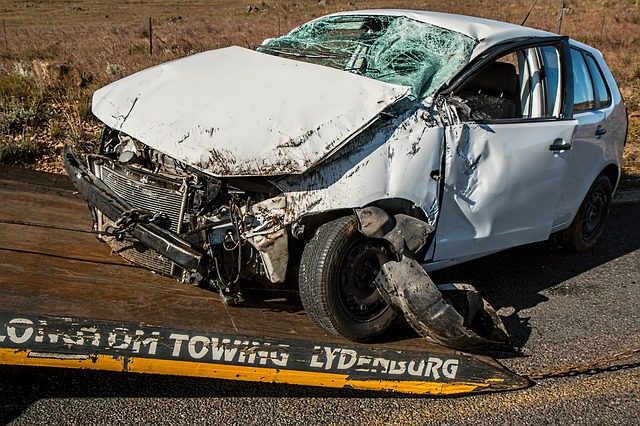
One moment you are crossing Okeechobee Boulevard on a green light; the next, your car is spun sideways and your ears are ringing. Car crashes in West Palm Beach rarely give anyone time to think, which is exactly why it helps to know the steps before you ever need them. This guide walks through what to do in the order it usually matters: at the scene, in the days that follow, with the insurance companies, and when it makes sense to bring in a lawyer.
Step 1: Make the Scene Safe and Call 911
Your first job is safety. If the vehicles can be moved and no one is seriously hurt, Florida law generally expects drivers to move out of travel lanes so traffic can flow, particularly on busy roads like I-95, Florida’s Turnpike, or Southern Boulevard. Turn on your hazard lights and stay clear of passing traffic.
Then call 911. Florida requires crashes involving injury, death, or significant property damage to be reported to law enforcement. Depending on where the crash happened, the responding agency may be the West Palm Beach Police Department, the Palm Beach County Sheriff’s Office, or the Florida Highway Patrol on the interstate and Turnpike. Ask the officer how you can get a copy of the crash report later; you will need the report number.
Do not leave the scene before speaking with police, and do not argue about who caused the crash. Stick to facts when the officer asks what happened.
Step 2: Collect Evidence While It Still Exists
Evidence starts disappearing within minutes. Skid marks fade, debris gets swept up, and witnesses drive away. If you are physically able, use your phone to capture:
- Photos of every vehicle involved, from several angles, including license plates
- The position of the cars before they are moved, if it is safe to photograph
- Traffic signals, stop signs, lane markings, and any obstructions such as overgrown landscaping or construction barrels
- Your visible injuries, and torn or bloody clothing
- Weather and lighting conditions, including wet pavement after an afternoon storm
Exchange names, phone numbers, driver’s license details, and insurance information with the other driver. Get contact information from anyone who saw the collision. Independent witnesses can make an enormous difference later, when the other driver’s story starts to change.
It is also worth noting nearby businesses. Many shops and restaurants along Clematis Street, Palm Beach Lakes Boulevard, and Dixie Highway have exterior cameras, but recordings are often overwritten within days. A lawyer can send preservation requests quickly if footage may exist.
Step 3: Get Medical Care Within 14 Days
This step is where many Florida drivers unknowingly lose benefits. Florida is a no-fault state, which means your own Personal Injury Protection (PIP) coverage pays a portion of your medical bills and lost wages regardless of who caused the crash. Under Florida law, to qualify for PIP benefits you must receive initial medical treatment within 14 days of the accident.
Even if you feel fine, get checked. Adrenaline masks pain, and injuries such as concussions, whiplash, and herniated discs often show symptoms hours or days later. Go to an emergency room, an urgent care clinic, or your primary doctor, and describe every symptom, even ones that seem minor.
After that first visit, follow through. Keep appointments, fill prescriptions, and complete physical therapy. Gaps in treatment are one of the first things an insurance adjuster will point to when arguing that your injuries are not serious.
Step 4: Notify Your Insurer, but Be Careful What You Say
Most auto policies require prompt notice of a crash, so report it to your own insurance company. Give the basic facts: when, where, and which vehicles were involved.
The other driver’s insurance company is a different story. An adjuster may call within a day or two, sounding friendly and asking for a recorded statement. You are generally not required to give one to the other side’s insurer, and anything you say can be used to minimize your claim. Comments like “I’m doing okay” or “I didn’t see them until the last second” can be taken out of context.
A few practical rules:
- Do not sign medical authorizations or releases without understanding exactly what they cover.
- Do not accept a quick settlement before you know the full extent of your injuries.
- Do not post about the crash, your injuries, or your activities on social media.
- Keep a folder of every bill, receipt, repair estimate, and letter you receive.
Step 5: Understand How Fault Affects Your Claim
PIP coverage has limits, and serious injuries often exceed them. When injuries meet Florida’s threshold for a claim outside the no-fault system, such as significant and permanent injury, you may be able to pursue the at-fault driver for additional damages, including pain and suffering.
Fault matters in those claims. Florida uses a modified comparative negligence system: if you are found partly responsible, your recovery is reduced by your percentage of fault, and if you are found more than 50 percent at fault, you generally cannot recover damages from the other driver. That is why the evidence you gather at the scene, and the way you describe the crash afterward, carries so much weight.
Step 6: Watch the Deadline
People often cite Florida’s two-year statute of limitations as a hard-and-fast rule, but that is oversimplified. As a general rule, Florida’s statute of limitations for most negligence claims, including typical car accident injury claims, is two years from the date of the crash. When the clock starts can depend on when an injury was, or reasonably should have been, discovered, exceptions can change the deadline that applies, and a claim may still exist even after a deadline appears to have passed. Whether a claim is barred is a complicated question that cannot be decided from a website; only an attorney who reviews the specific facts of your crash can tell you which deadline applies.
Even the general two-year period may sound like plenty of time, but investigations, medical treatment, and insurance negotiations take months. Evidence is easiest to secure early, and waiting until the deadline approaches narrows your options.
When Should You Call a Car Accident Lawyer?
Not every fender-bender needs an attorney. But it is worth talking to a lawyer if any of the following apply:
- You or a passenger went to the hospital or needed ongoing treatment
- Fault is disputed, or the other driver’s story has changed
- A commercial vehicle, rideshare driver, or government vehicle was involved
- The at-fault driver was uninsured or underinsured
- The insurance company is pressing you for a statement or offering a fast settlement
- You are missing work because of your injuries
A lawyer can handle communications with insurers, gather crash reports and video, work with your doctors to document your injuries, and make sure claims are filed on time in the right forum. For Palm Beach County crashes, lawsuits are typically filed in the Fifteenth Judicial Circuit, which sits in West Palm Beach.
Talk to Donaldson Injury Law, P.A.
If you were hurt in a car accident in West Palm Beach or elsewhere in Palm Beach County, Donaldson Injury Law, P.A. can review what happened and explain your options. Call (561) 850-9878. Se Habla Español.
This article provides general information about Florida law and is not legal advice. Reading it does not create an attorney-client relationship. Every case depends on its own facts.